
Master Your Swing with a Cutting-Edge Swing Aid Trainer
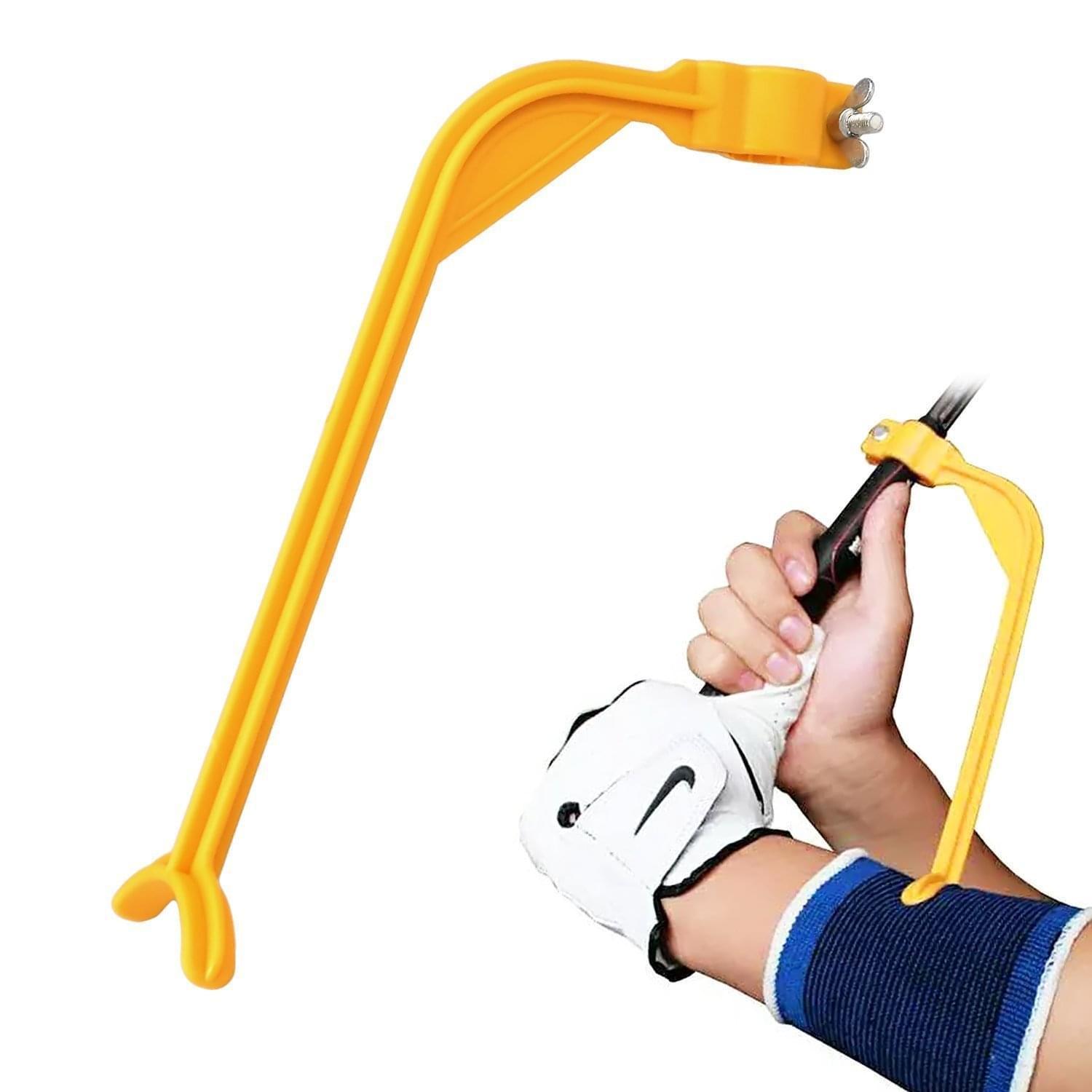
The Benefits of Using a Swing Aid Trainer in Your Golf Practice
Golf is a sport that requires precision, technique, and consistent practice. One essential tool that can help you improve your swing and overall performance on the course is a swing aid trainer. This innovative device is designed to provide golfers with feedback, guidance, and muscle memory training to enhance their skills. Here are some key benefits of incorporating a swing aid trainer into your practice routine:
Corrects Swing Mechanics
A swing aid trainer helps you maintain proper swing mechanics by guiding your movements and highlighting any flaws in your technique. It can assist in correcting common errors such as over-the-top swings, casting the club, or improper wrist positions, allowing you to develop a more consistent and efficient swing.
Builds Muscle Memory
Repetitive use of a swing aid trainer helps build muscle memory, enabling you to perform correct movements instinctively without having to consciously think about them. This leads to greater consistency in your swings and helps you replicate successful shots more consistently on the course.
Provides Instant Feedback
Many swing aid trainers come equipped with sensors or indicators that provide instant feedback on your swing tempo, club path, angle of attack, and other important metrics. This real-time data allows you to identify areas for improvement quickly and make necessary adjustments to enhance your performance.
Enhances Power and Distance
By helping you refine your technique and timing, a swing aid trainer can increase the power and distance of your shots. Through regular practice with the device, you can develop a more efficient energy transfer from your body to the club, resulting in longer drives and more controlled ball flights.
Boosts Confidence
Improving your swing through consistent use of a swing aid trainer can boost your confidence on the course. As you see tangible progress in your performance and feel more comfortable with your technique, you’ll approach each shot with greater self-assurance and focus.
In conclusion, incorporating a swing aid trainer into your golf practice routine can have numerous benefits for players of all skill levels. Whether you’re aiming to correct specific flaws in your swing mechanics or simply looking to enhance your overall performance on the course, this tool can be a valuable asset in helping you reach your goals as a golfer.
Top 9 Benefits of Using a Swing Aid Trainer for Golfers
- Improves swing mechanics
- Builds muscle memory
- Provides instant feedback
- Enhances power and distance
- Boosts confidence on the course
- Corrects common swing errors
- Helps maintain consistent tempo
- Can be used for indoor practice
- Suitable for golfers of all skill levels
Potential Drawbacks of Swing Aid Trainers: Considerations for Golfers
- May become reliant on feedback rather than developing natural feel
- Some models can be expensive, limiting accessibility for all players
- Not suitable for every golfer’s unique swing style or physical limitations
- Potential distraction during practice if overly focused on technical aspects
- Requires time and commitment to see significant improvement in performance
- Feedback provided by swing aid trainer may not always be accurate or applicable to real-game scenarios
Improves swing mechanics
Utilising a swing aid trainer can significantly enhance one’s swing mechanics by providing guidance and feedback to correct any flaws in technique. By focusing on proper movements and positions, golfers can develop a more consistent and efficient swing, ultimately leading to improved accuracy and ball striking. The repetitive use of a swing aid trainer helps ingrain correct mechanics into muscle memory, allowing players to execute their swings more naturally and effectively on the course.
Builds muscle memory
Utilising a swing aid trainer is advantageous in building muscle memory, a crucial aspect of honing one’s golfing skills. Through consistent and repetitive practice with the device, golfers can train their muscles to remember the correct movements and positions required for a flawless swing. This muscle memory development enables players to execute their swings instinctively and consistently, leading to improved performance on the course as they can rely on ingrained muscle patterns for more accurate and controlled shots.
Provides instant feedback
One notable advantage of using a swing aid trainer is its ability to provide instant feedback on various aspects of your swing. By offering real-time data on metrics such as swing tempo, club path, and angle of attack, the device allows you to quickly identify any flaws in your technique and make immediate adjustments. This instant feedback not only helps you understand where improvements are needed but also enables you to fine-tune your swing efficiently, leading to more consistent and effective performance on the golf course.
Enhances power and distance
Utilising a swing aid trainer can significantly enhance power and distance in your golf game. By honing your technique and timing with the device, you can improve the efficiency of energy transfer from your body to the club. This leads to more powerful and controlled shots, resulting in longer drives and increased distance on the course. Consistent practice with a swing aid trainer can help you develop the strength and coordination needed to generate greater power behind your swings, ultimately improving your overall performance as a golfer.
Boosts confidence on the course
Improving your swing through consistent use of a swing aid trainer can significantly boost your confidence on the course. As you refine your technique and see tangible progress in your performance, you’ll feel more assured in your abilities and approach each shot with greater self-belief. The enhanced consistency and control that come from using a swing aid trainer can help you tackle challenging shots with a sense of calm and focus, ultimately leading to improved overall performance and enjoyment of the game.
Corrects common swing errors
Using a swing aid trainer can be highly beneficial as it effectively corrects common swing errors that golfers often encounter. By providing guidance and feedback on your technique, the trainer helps you address issues such as over-the-top swings, casting the club, or improper wrist positions. This corrective function not only improves the quality of your swing but also enhances consistency and precision in your shots, ultimately leading to better performance on the golf course.
Helps maintain consistent tempo
Using a swing aid trainer can be highly beneficial in helping golfers maintain a consistent tempo in their swings. By providing guidance and feedback on the rhythm and timing of the swing, the trainer helps players develop a smooth and even tempo throughout their entire motion. Consistency in tempo is crucial for achieving accuracy and distance in golf shots, making this aspect of swing training essential for improving overall performance on the course.
Can be used for indoor practice
One significant advantage of a swing aid trainer is its versatility in allowing golfers to practice indoors. This feature is particularly beneficial during unfavourable weather conditions or when visiting the driving range is not feasible. By using a swing aid trainer for indoor practice, golfers can work on their swings, refine their techniques, and build muscle memory without being restricted by external factors. This convenience enables players to maintain and improve their skills consistently throughout the year, ensuring that they stay on top of their game regardless of the circumstances.
Suitable for golfers of all skill levels
One significant advantage of a swing aid trainer is that it is suitable for golfers of all skill levels. Whether you are a beginner looking to learn the fundamentals of a proper swing or an experienced player aiming to fine-tune your technique, a swing aid trainer can cater to your specific needs. Its versatility makes it an invaluable tool for golfers at any stage of their development, providing valuable feedback and guidance to help improve overall performance on the course.
May become reliant on feedback rather than developing natural feel
One potential drawback of using a swing aid trainer is that players may become overly reliant on the feedback provided by the device, which can hinder the development of a natural feel for their swings. Relying too heavily on external cues and indicators may lead to a dependency on constant guidance, preventing golfers from honing their instincts and intuition when making shots. Developing a genuine sense of touch and feel for the game is essential for adapting to different course conditions and situations, and excessive reliance on feedback from a swing aid trainer could limit a player’s ability to cultivate this important aspect of their game.
Some models can be expensive, limiting accessibility for all players
One notable drawback of swing aid trainers is that some models can be expensive, which may limit accessibility for all players. The cost of certain high-end swing aid trainers can be prohibitive for golfers on a budget or beginners who are just starting to invest in their equipment. This pricing barrier could potentially hinder some individuals from benefiting from the advantages that these devices offer in terms of swing improvement and skill development.
Not suitable for every golfer’s unique swing style or physical limitations
While swing aid trainers can be beneficial for many golfers in improving their technique and performance, one significant drawback is that they may not be suitable for every golfer’s unique swing style or physical limitations. Each golfer has a distinct swing pattern and physical capabilities, and some individuals may find that certain swing aid trainers do not align well with their natural movement or may exacerbate existing physical limitations. It is essential for golfers to carefully assess whether a particular swing aid trainer is compatible with their individual needs and seek advice from professionals to ensure that they are using the tool effectively and safely.
Potential distraction during practice if overly focused on technical aspects
One potential downside of using a swing aid trainer is the risk of becoming overly focused on technical aspects during practice, which can lead to distraction. While it’s important to work on refining your technique and addressing swing flaws, fixating too much on the mechanics provided by the trainer may detract from the natural flow and rhythm of your swing. This hyper-focus on technical details could result in stiffness, hesitation, and an inability to transfer your practice improvements into actual gameplay situations. It’s essential to strike a balance between utilising the feedback from the swing aid trainer and maintaining a fluid, instinctive approach to your swings to ensure that you benefit fully from your practice sessions.
Requires time and commitment to see significant improvement in performance
One notable drawback of using a swing aid trainer is that it requires a considerable amount of time and commitment to see significant improvement in performance. While the device can provide valuable feedback and help correct swing mechanics, mastering these adjustments takes consistent practice and dedication. Golfers must invest time in using the trainer regularly, analysing feedback, and making necessary changes to their technique. This level of commitment may be challenging for some players with busy schedules or limited practice opportunities, making it difficult to achieve rapid progress in their performance.
Feedback provided by swing aid trainer may not always be accurate or applicable to real-game scenarios
While swing aid trainers offer valuable feedback to golfers, one potential drawback is that the information provided may not always be entirely accurate or directly applicable to real-game scenarios. Factors such as swing speed, course conditions, and external variables can influence the feedback given by the device, leading to discrepancies between practice sessions and actual gameplay. It is essential for golfers to use this feedback as a reference point rather than a definitive measure of their performance on the course, allowing for adjustments based on individual playing conditions and circumstances.
Related Post
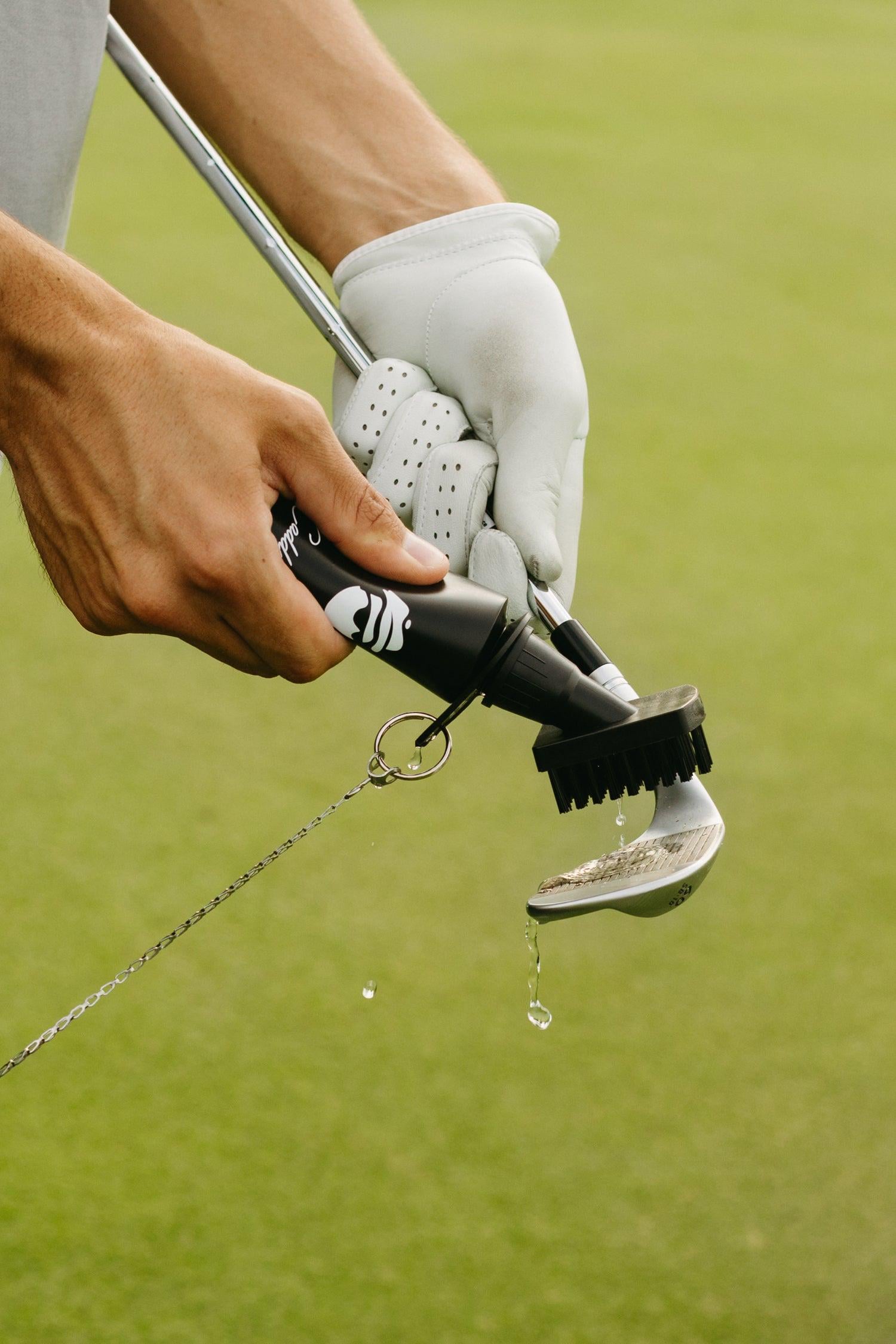
Essential Golf Bag Accessories Every Golfer Needs
The Must-Have Golf Bag Accessories for Every Golfer When it comes to golfing, having the [...]