Enhancing Customer-Facing Strategies for Long-Term Success
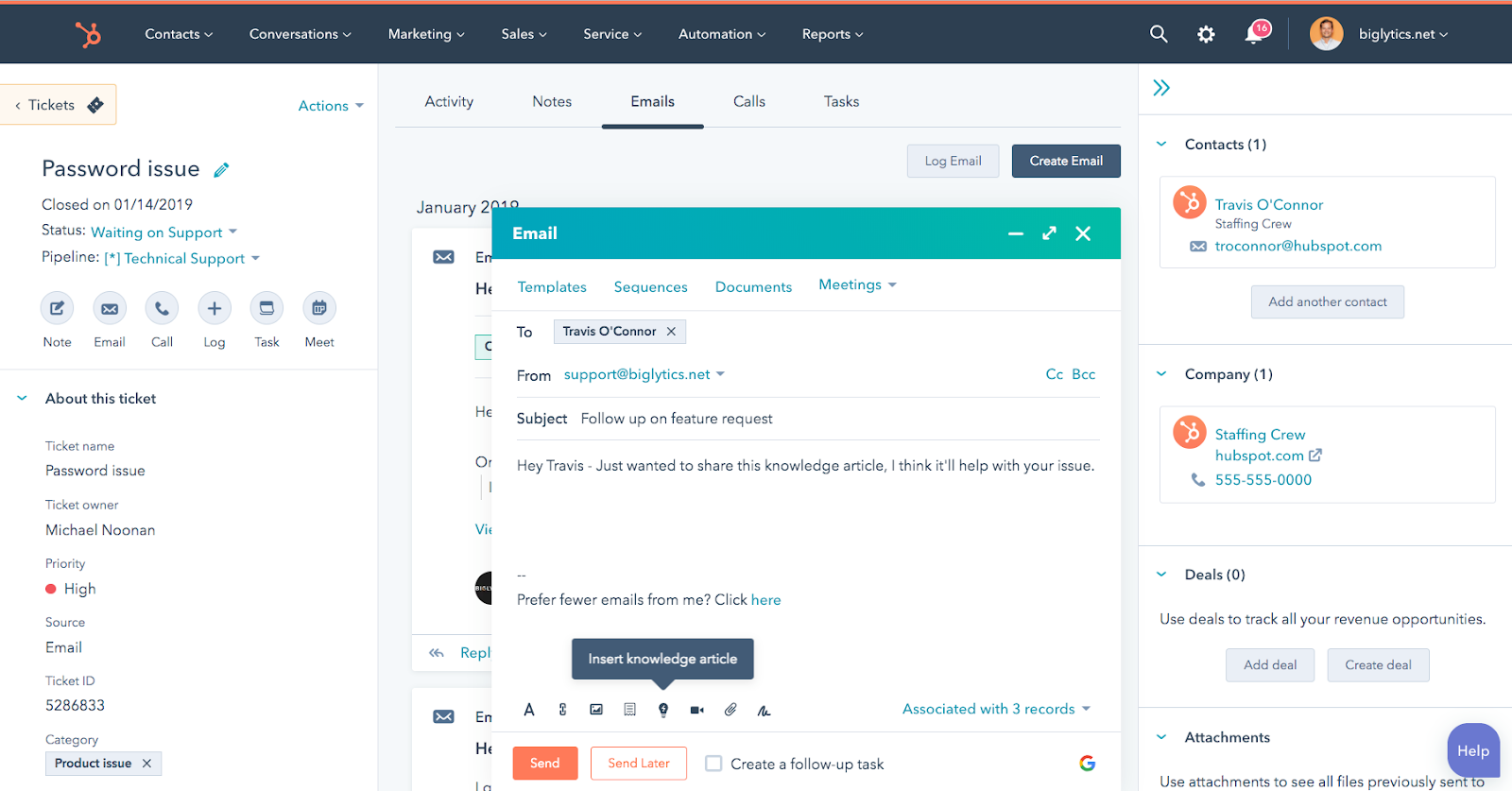
The Importance of Being Customer-Facing
Being customer-facing is a crucial aspect of any business that aims to thrive in today’s competitive market. It refers to the direct interaction between a company and its customers, whether through physical stores, online platforms, or customer service channels. This interaction plays a significant role in shaping the overall customer experience and building long-lasting relationships.
Building Trust and Loyalty
When a business is customer-facing, it demonstrates its commitment to putting customers first. By engaging with customers directly, listening to their feedback, and addressing their needs promptly, a company can build trust and loyalty. Customers appreciate businesses that are accessible and responsive to their concerns, leading to repeat purchases and positive word-of-mouth recommendations.
Understanding Customer Needs
Direct interaction with customers provides valuable insights into their preferences, expectations, and pain points. By being customer-facing, a business can gather feedback in real-time, identify trends, and tailor its products or services to meet customer needs effectively. This proactive approach not only enhances the customer experience but also drives innovation and competitiveness.
Resolving Issues Efficiently
Inevitably, issues may arise during the customer journey. Being customer-facing allows businesses to address these issues promptly and efficiently. Whether it’s handling product inquiries, resolving complaints, or providing after-sales support, direct interaction with customers enables companies to demonstrate their commitment to excellent service and problem resolution.
Personalising the Customer Experience
Personalisation is key to creating memorable experiences for customers. By engaging with customers directly, businesses can gather data on individual preferences and behaviours, enabling them to offer personalised recommendations, promotions, and services. This tailored approach not only enhances customer satisfaction but also fosters long-term relationships.
Embracing Technology without Losing the Human Touch
In today’s digital age, technology plays a significant role in facilitating customer interactions. However, it’s essential for businesses to strike a balance between leveraging technology for efficiency and maintaining the human touch in customer-facing activities. Automated responses should complement rather than replace genuine human engagement to create authentic connections with customers.
In conclusion,
being customer-facing is more than just a strategy – it’s a mindset that places customers at the heart of everything a business does.
By prioritising direct interaction with customers,
understanding their needs,
resolving issues efficiently,
personalising experiences,
and embracing technology while maintaining human connection,
businesses can build strong relationships,
foster loyalty,
and drive sustainable growth in an increasingly competitive market.
Top 5 Tips for Exceptional Customer-Facing Service
- Always greet customers with a smile and a friendly attitude.
- Listen actively to customers’ needs and concerns before providing assistance.
- Communicate clearly and effectively, avoiding jargon or technical language.
- Be patient and empathetic when dealing with difficult or upset customers.
- Follow up with customers to ensure their satisfaction and build long-term relationships.
Always greet customers with a smile and a friendly attitude.
It is essential to always greet customers with a warm smile and a friendly attitude when engaging in customer-facing interactions. A genuine smile can create a positive first impression and convey a sense of welcoming hospitality. Coupled with a friendly attitude, this simple gesture can help to establish rapport, build trust, and make customers feel valued and appreciated. By starting the interaction on a positive note, businesses can set the tone for a pleasant customer experience and demonstrate their commitment to providing exceptional service.
Listen actively to customers’ needs and concerns before providing assistance.
Active listening to customers’ needs and concerns is a fundamental aspect of being customer-facing. By attentively understanding their requirements and issues before offering assistance, businesses demonstrate empathy and a genuine interest in helping customers. This approach not only allows for tailored solutions that address specific needs but also fosters trust and rapport with customers. Active listening is the cornerstone of effective customer service, enabling businesses to provide meaningful support and build strong relationships based on mutual understanding and respect.
Communicate clearly and effectively, avoiding jargon or technical language.
To excel in customer-facing interactions, it is essential to communicate clearly and effectively, steering clear of jargon or technical language. By using simple and concise language, businesses can ensure that customers understand the information provided and feel confident in their interactions. Clear communication fosters transparency, builds trust, and enhances the overall customer experience. It is vital to convey messages in a way that is easily digestible for customers, enabling them to make informed decisions and feel valued throughout their interaction with the business.
Be patient and empathetic when dealing with difficult or upset customers.
When facing difficult or upset customers, it is essential to approach the situation with patience and empathy. By remaining calm and understanding their concerns, you can effectively de-escalate tense situations and demonstrate that their feelings are valued. Listening attentively, acknowledging their emotions, and working towards a solution with a compassionate attitude can help rebuild trust and turn a negative experience into a positive one. Remembering to put yourself in the customer’s shoes can go a long way in fostering goodwill and strengthening customer relationships.
Follow up with customers to ensure their satisfaction and build long-term relationships.
Following up with customers is a crucial step in the customer-facing process. By checking in with customers after a purchase or interaction, businesses demonstrate their commitment to ensuring customer satisfaction. This proactive approach not only allows businesses to address any issues promptly but also helps in building long-term relationships based on trust and loyalty. Regular follow-ups show that the company values its customers’ feedback and is dedicated to providing excellent service beyond the initial transaction, ultimately fostering a positive and lasting connection with customers.
Related Post

The Enthusiasts’ Oasis: A Haven for Passionate Pursuits
The World of Enthusiasts: Passion That Knows No Bounds Enthusiasts are a special breed of [...]
Enhance Your Game with Wooden Golf Alignment Sticks: A Stylish and Sustainable Choice
The Benefits of Wooden Golf Alignment Sticks Golf alignment sticks have become an essential tool [...]