The Modern Renaissance: Embracing Innovation in Today’s World
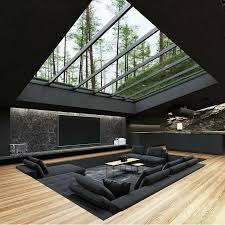
The Essence of Modern Living
In today’s fast-paced world, the concept of “modern” extends beyond just a temporal marker; it encapsulates a lifestyle, a mindset, and an aesthetic that continually evolves. From architecture to technology, fashion to communication, modernity is about embracing innovation while balancing tradition.
Architecture and Design
Modern architecture is characterised by clean lines, open spaces, and the use of new materials like steel and glass. It prioritises functionality without sacrificing beauty. The modern home often incorporates sustainable practices, with solar panels and energy-efficient systems becoming standard. Interior design follows suit with minimalist decor that emphasises simplicity and practicality.
Technology at the Forefront
Technology is perhaps the most defining feature of modern life. From smartphones to smart homes, technology has transformed how we interact with the world. The Internet of Things (IoT) connects devices seamlessly, making everyday tasks more efficient. Artificial intelligence and machine learning are driving innovations in every sector, from healthcare to entertainment.
Fashion Forward
Modern fashion embraces diversity and inclusivity. Designers are breaking traditional norms by creating gender-neutral clothing lines and using sustainable materials to reduce environmental impact. Fast fashion is evolving into a more conscious movement where quality takes precedence over quantity.
Communication Revolution
The way we communicate has drastically changed in the modern era. Social media platforms have become essential tools for personal expression and business marketing alike. Instant messaging apps allow for real-time conversations across continents, making global communication accessible to everyone.
The Modern Mindset
A modern mindset involves adaptability and openness to change. It encourages lifelong learning as new information becomes available at our fingertips. This mindset also values diversity and seeks to understand different perspectives in an increasingly interconnected world.
Conclusion
The essence of being modern lies in our ability to adapt to change while maintaining core values that define us as individuals or communities. As we continue to innovate and evolve, the concept of “modern” will undoubtedly transform—but its core principles will remain rooted in progressiveness and inclusivity.
Five Advantages of Modern Living: Design, Technology, Sustainability, Inclusivity, and Connectivity
- Sleek and minimalist design aesthetic
- Integration of cutting-edge technology for convenience
- Emphasis on sustainability and eco-friendly practices
- Promotion of inclusivity and diversity in various aspects
- Efficient communication tools for global connectivity
Challenges of Modernity: The Erosion of Tradition, Job Displacement, Privacy Concerns, and Environmental Impact
- Loss of traditional craftsmanship and skills in favour of modern technology
- Increased reliance on automation leading to potential job displacement
- Privacy concerns due to the extensive use of technology for surveillance and data collection
- Environmental impact from the production and disposal of modern gadgets and electronic devices
Sleek and minimalist design aesthetic
The sleek and minimalist design aesthetic of modernity embodies a sense of sophistication and elegance. Characterised by clean lines, uncluttered spaces, and a focus on functionality, this design approach creates a visually appealing environment that promotes clarity and simplicity. Embracing minimalism in design not only enhances the aesthetic appeal of products and spaces but also fosters a sense of calm and order in our fast-paced lives. It reflects a contemporary sensibility that values quality over quantity, making it a timeless and enduring proponent of modern design principles.
Integration of cutting-edge technology for convenience
The integration of cutting-edge technology in modern times has revolutionised the way we live, offering unparalleled convenience and efficiency. From smart home devices that can be controlled remotely to wearable gadgets that track our health in real-time, technology has seamlessly woven itself into our daily routines, making tasks easier and more streamlined than ever before. This advancement not only enhances our productivity but also enriches our lives by providing innovative solutions that anticipate and meet our needs effortlessly.
Emphasis on sustainability and eco-friendly practices
In the modern era, there is a notable emphasis on sustainability and eco-friendly practices that have become integral to various aspects of life. From architecture to fashion, businesses and individuals are increasingly adopting environmentally conscious approaches to reduce their carbon footprint and preserve the planet for future generations. This shift towards sustainability not only promotes a healthier environment but also fosters a sense of responsibility towards our ecosystem, reflecting a growing awareness of the importance of preserving the natural world in all our endeavours.
Promotion of inclusivity and diversity in various aspects
In the modern era, one significant advantage is the promotion of inclusivity and diversity across various aspects of society. From workplaces to educational institutions, and even in popular culture, there is a growing emphasis on embracing individuals from diverse backgrounds. This shift towards inclusivity not only fosters a sense of unity and understanding but also allows for a richer exchange of ideas and experiences, ultimately leading to a more vibrant and harmonious community.
Efficient communication tools for global connectivity
In the modern era, one significant advantage is the availability of efficient communication tools that facilitate global connectivity. With the advent of instant messaging apps, video conferencing platforms, and social media networks, individuals and businesses can easily connect with people from around the world in real time. This enhanced connectivity transcends geographical boundaries, fostering collaboration, knowledge sharing, and cultural exchange on a global scale. The ability to communicate seamlessly across continents has revolutionised how we interact and conduct business, making the world more interconnected than ever before.
Loss of traditional craftsmanship and skills in favour of modern technology
In the pursuit of modernity, one significant downside is the gradual erosion of traditional craftsmanship and skills in favour of modern technology. As automation and digitalisation become more prevalent, the artistry and meticulous techniques passed down through generations risk fading into obscurity. The intricate handiwork and attention to detail that defined traditional craftsmanship are often overshadowed by the efficiency and speed offered by technological advancements, leading to a loss of cultural heritage and unique artisanal practices that once shaped our societies.
Increased reliance on automation leading to potential job displacement
In the modern era, a significant concern arises from the increased reliance on automation, which has the potential to lead to job displacement. As industries adopt more advanced technologies and AI-driven systems to streamline processes and increase efficiency, there is a growing fear that traditional jobs may become obsolete. This shift not only poses challenges for individuals who may find themselves displaced from their livelihoods but also raises broader societal questions about the future of work and the need for retraining and upskilling to adapt to a rapidly changing labour market.
Privacy concerns due to the extensive use of technology for surveillance and data collection
In the modern age, one significant drawback is the heightened privacy concerns stemming from the widespread utilisation of technology for surveillance and data collection. With the proliferation of smart devices and online platforms, individuals are increasingly vulnerable to having their personal information monitored and harvested without their explicit consent. This erosion of privacy raises valid apprehensions about data security, individual autonomy, and the potential misuse of sensitive information for commercial or governmental purposes. As technology continues to advance, striking a balance between innovation and safeguarding personal privacy becomes an imperative challenge in our contemporary society.
Environmental impact from the production and disposal of modern gadgets and electronic devices
The environmental impact stemming from the production and disposal of modern gadgets and electronic devices is a significant concern in today’s society. The rapid pace of technological advancements leads to increased manufacturing processes that often contribute to carbon emissions, resource depletion, and electronic waste accumulation. Improper disposal of electronic devices further exacerbates the problem, as toxic components can leach into soil and water sources, posing risks to both human health and the environment. Addressing this con of modernity requires a collective effort towards sustainable practices, responsible recycling, and the development of eco-friendly alternatives to mitigate the adverse effects on our planet.
Related Post

Unlocking Convenience: The Benefits of Buying Online in the UK
The Convenience of Buying Online In today’s digital age, the option to buy online has [...]
The Enduring Legacy of Iron: From Ancient Tools to Modern Marvels
The Versatile Metal: Iron Iron is a fundamental element that has played a significant role [...]