Delivering Exceptional Customer-Focused Service: A Key to Success
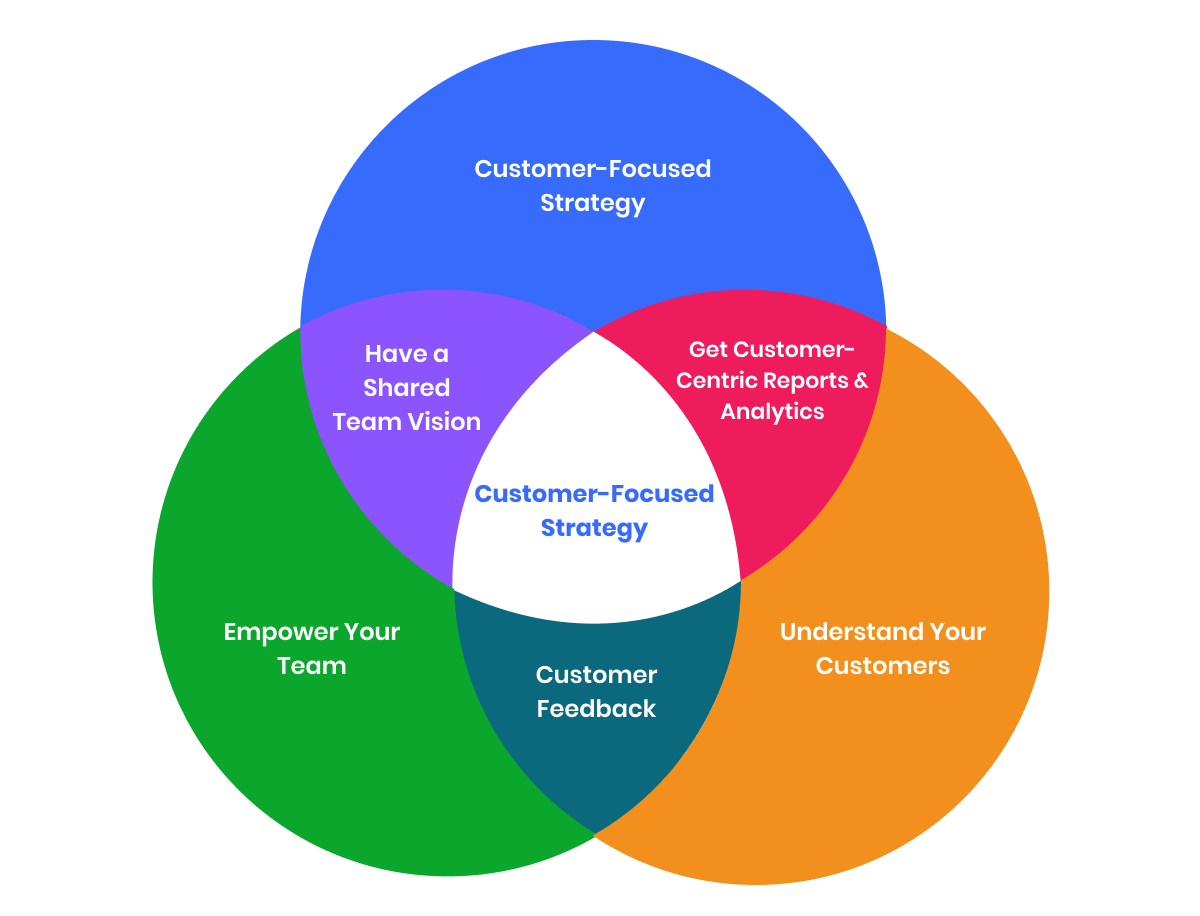
The Importance of Customer-Focused Service
Customer-focused service is a key aspect of any successful business. It goes beyond simply providing a product or service – it is about creating an experience that prioritises the needs and satisfaction of the customer. In today’s competitive market, businesses that excel in customer service often stand out and build long-lasting relationships with their clientele.
Understanding Customer Needs
One of the fundamental principles of customer-focused service is understanding and anticipating the needs of your customers. By listening to their feedback, addressing their concerns, and tailoring your offerings to meet their requirements, you show that you value their input and are committed to providing a positive experience.
Building Trust and Loyalty
When customers feel valued and appreciated, they are more likely to become loyal supporters of your business. By offering exceptional service that exceeds their expectations, you not only build trust but also create a bond that encourages repeat business and referrals. A satisfied customer is not only a repeat customer but also an advocate for your brand.
Resolving Issues Effectively
Inevitably, there will be times when things do not go as planned. However, how you handle these situations can make all the difference. By promptly addressing issues, taking responsibility, and offering solutions that demonstrate your commitment to customer satisfaction, you can turn a negative experience into a positive one.
Continuous Improvement
Customer-focused service is an ongoing process that requires constant evaluation and improvement. By seeking feedback, analysing data, and implementing changes based on customer preferences, you show that you are dedicated to evolving with the needs of your clientele. This proactive approach can set you apart from competitors who may be less attentive to customer feedback.
Final Thoughts
In conclusion, prioritising customer-focused service is essential for building a strong and successful business. By placing the needs of your customers at the forefront of your operations, you not only enhance the overall experience for those who support your business but also position yourself as a trusted partner in their journey. Remember: happy customers lead to a thriving business.
Essential FAQs on Enhancing Customer-Focused Service for Business Success
- What is customer-focused service?
- Why is customer-focused service important for businesses?
- How can businesses understand and anticipate customer needs?
- What are the benefits of building trust and loyalty through customer-focused service?
- How should businesses effectively resolve customer issues to maintain good service?
- What strategies can businesses use to continuously improve their customer-focused service?
- How does feedback play a role in enhancing customer-focused service?
- What are some examples of successful implementation of customer-focused service in different industries?
- How can businesses measure the success of their customer-focused service initiatives?
What is customer-focused service?
Customer-focused service is a business approach that places the needs and satisfaction of the customer at the core of its operations. It involves understanding and anticipating customer requirements, actively listening to feedback, and tailoring products or services to meet those needs. Customer-focused service goes beyond simply providing a transactional experience; it aims to build long-lasting relationships by prioritising customer happiness and loyalty. By putting the customer first, businesses can create a positive and memorable experience that sets them apart in today’s competitive market.
Why is customer-focused service important for businesses?
Customer-focused service is crucial for businesses as it plays a pivotal role in building strong relationships with customers. By prioritising the needs and satisfaction of customers, businesses can enhance loyalty, trust, and advocacy. Providing exceptional service not only sets businesses apart from competitors but also leads to repeat business and positive word-of-mouth referrals. Understanding and anticipating customer needs, resolving issues effectively, and continuously improving based on feedback are key components of customer-focused service that contribute to long-term success and sustainability in today’s competitive market.
How can businesses understand and anticipate customer needs?
Understanding and anticipating customer needs is crucial for businesses aiming to provide exceptional customer-focused service. To achieve this, businesses can employ various strategies such as conducting market research, gathering feedback through surveys and customer interactions, analysing trends and patterns in customer behaviour, and staying informed about industry developments. By actively listening to customers, observing their preferences, and adapting to changing demands, businesses can gain valuable insights that enable them to tailor their products and services effectively. Building strong relationships with customers based on trust and open communication also plays a significant role in understanding their needs and exceeding expectations. Ultimately, businesses that invest time and effort in understanding and anticipating customer needs are better positioned to deliver personalised experiences that foster long-term loyalty and satisfaction.
What are the benefits of building trust and loyalty through customer-focused service?
Building trust and loyalty through customer-focused service offers a multitude of benefits for businesses. By prioritising the needs and satisfaction of customers, businesses can establish strong relationships based on mutual respect and understanding. This leads to increased customer retention, as loyal customers are more likely to return for repeat purchases and recommend the business to others. Trust and loyalty also result in higher customer lifetime value, as satisfied customers tend to spend more over time. Additionally, a positive reputation for exceptional customer service can differentiate a business from competitors and attract new customers seeking a reliable and attentive provider. Ultimately, the benefits of building trust and loyalty through customer-focused service extend beyond immediate transactions to foster long-term success and growth for the business.
How should businesses effectively resolve customer issues to maintain good service?
To effectively resolve customer issues and maintain good service, businesses should adopt a proactive and customer-centric approach. Firstly, it is crucial to listen attentively to the customer’s concerns and empathise with their situation. Promptly acknowledging the issue and taking ownership of finding a solution demonstrates accountability and commitment to customer satisfaction. Communication is key throughout the resolution process, keeping the customer informed of progress and any steps being taken to address their problem. Offering a fair and reasonable solution tailored to the individual situation can help rebuild trust and loyalty. Finally, following up with customers post-resolution to ensure their satisfaction and willingness to continue doing business with you is essential for maintaining good service standards.
What strategies can businesses use to continuously improve their customer-focused service?
To continuously enhance their customer-focused service, businesses can implement a variety of strategies. Firstly, regularly collecting and analysing customer feedback is crucial in identifying areas for improvement. By actively listening to their customers’ needs and preferences, businesses can tailor their services accordingly. Training employees to provide exceptional customer service and empowering them to resolve issues promptly can also make a significant difference. Additionally, investing in technology that streamlines customer interactions and personalising the customer experience through targeted marketing initiatives can further boost customer satisfaction and loyalty. By embracing a culture of continuous improvement and innovation, businesses can stay ahead in delivering exceptional customer-focused service.
How does feedback play a role in enhancing customer-focused service?
Feedback plays a crucial role in enhancing customer-focused service by providing valuable insights into the customer experience. By actively seeking and listening to feedback from customers, businesses can gain a deeper understanding of their needs, preferences, and areas for improvement. This information allows companies to make informed decisions that align with customer expectations, leading to the development of more tailored products and services. Additionally, feedback serves as a tool for continuous improvement, enabling businesses to address issues promptly, refine their processes, and ultimately deliver a higher level of service that resonates with their clientele. Embracing feedback as a constructive resource fosters trust and loyalty among customers, demonstrating a commitment to prioritising their satisfaction and building long-lasting relationships.
What are some examples of successful implementation of customer-focused service in different industries?
In various industries, successful implementation of customer-focused service can be seen through exemplary practices that prioritise customer satisfaction. For instance, in the hospitality sector, luxury hotels often provide personalised services tailored to individual guests’ preferences, creating memorable experiences. In the technology industry, companies like Apple are renowned for their exceptional customer support and user-friendly products that anticipate and meet customers’ needs. Additionally, in the retail sector, businesses such as Amazon excel in offering efficient delivery services and a seamless shopping experience that prioritises convenience for customers. These examples demonstrate how a customer-centric approach can lead to success across diverse industries.
How can businesses measure the success of their customer-focused service initiatives?
Businesses can measure the success of their customer-focused service initiatives through various key performance indicators (KPIs) that reflect customer satisfaction, loyalty, and engagement. These may include metrics such as Net Promoter Score (NPS), customer retention rates, customer feedback and reviews, response times to queries or issues, as well as repeat purchase behaviour. By analysing these indicators alongside qualitative feedback from customers, businesses can gain valuable insights into the effectiveness of their service strategies and make informed decisions to continuously improve and tailor their customer-focused initiatives to meet the evolving needs of their clientele.
Related Post

Unleashing the Power of Advance: Embracing Progress and Innovation
The Concept of Advance The Concept of Advance Advance, in its essence, signifies progress, development, [...]
Unlock Your Potential with a Swing Speed Trainer: Enhance Your Golf Game Today!
The Benefits of Using a Swing Speed Trainer in Your Golf Practice Golf is a [...]