
Mastering Customer Centricity: The Key to Business Success
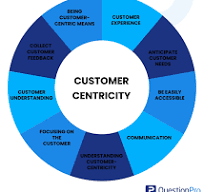
The Importance of Customer Centricity in Business
Customer centricity is a business approach that prioritises the needs and preferences of customers above all else. In today’s competitive market, where consumers have more choices than ever before, focusing on customer centricity is essential for long-term success.
By placing the customer at the heart of every decision and interaction, businesses can build strong relationships, foster loyalty, and drive sustainable growth. Understanding and anticipating customer needs allows companies to tailor their products, services, and experiences to meet and exceed expectations.
One of the key benefits of embracing customer centricity is improved customer satisfaction. When customers feel valued and understood, they are more likely to return for repeat business and recommend the company to others. This not only boosts revenue but also enhances brand reputation and credibility.
Furthermore, a customer-centric approach can lead to valuable insights that help businesses innovate and stay ahead of the competition. By actively listening to feedback, analysing data, and engaging with customers, companies can identify trends, anticipate market changes, and develop solutions that resonate with their target audience.
Ultimately, successful implementation of customer centricity requires a cultural shift within an organisation. Every employee, from frontline staff to senior executives, must be aligned with the goal of putting customers first. Training programmes, performance metrics, and reward systems can help embed a customer-centric mindset across all levels of the company.
In conclusion, prioritising customer centricity is not just a strategy; it is a philosophy that drives sustainable growth and fosters long-term relationships with customers. By understanding their needs, exceeding their expectations, and continuously improving based on feedback, businesses can thrive in today’s dynamic marketplace.
Understanding Customer Centricity: Key Concepts and Strategies
- What is customer centricity example?
- What is meant by customer centricity?
- What are the key 4 steps on customer centricity?
- How do you build customer centricity?
- What are the 4 C’s of customer centricity?
- Why customer centricity is important?
- What do you mean by customer centricity?
- What are the 7 pillars of customer centricity?
What is customer centricity example?
Customer centricity is exemplified by companies that go above and beyond to tailor their products and services to meet the specific needs and preferences of their customers. An example of customer centricity can be seen in the personalised recommendations provided by online streaming platforms like Netflix. By analysing viewing habits and user ratings, Netflix suggests content that aligns with individual tastes, creating a more engaging and satisfying viewing experience for each subscriber. This proactive approach not only enhances customer satisfaction but also demonstrates a deep understanding of customer preferences, ultimately leading to increased loyalty and retention.
What is meant by customer centricity?
Customer centricity refers to a business approach that places the customer at the core of all operations and decision-making processes. It involves understanding and anticipating the needs, preferences, and expectations of customers in order to provide tailored products, services, and experiences that enhance satisfaction and build lasting relationships. By prioritising customer centricity, companies aim to create a customer-focused culture that drives loyalty, fosters trust, and ultimately leads to sustainable growth and success in today’s competitive market.
What are the key 4 steps on customer centricity?
Customer centricity involves a strategic approach that revolves around putting the customer at the forefront of business decisions. The key four steps to achieving customer centricity include understanding the customer by gathering data and insights, personalising interactions to meet individual needs and preferences, engaging with customers through various touchpoints to build relationships, and continuously improving products and services based on feedback and evolving customer expectations. By following these steps, businesses can create a customer-centric culture that drives loyalty, satisfaction, and sustainable growth.
How do you build customer centricity?
Building customer centricity involves a strategic and holistic approach that permeates every aspect of a business. To cultivate a customer-centric culture, organisations must start by truly understanding their customers’ needs, preferences, and pain points through in-depth research and data analysis. This knowledge forms the foundation for tailoring products, services, and interactions to meet and exceed customer expectations. Engaging with customers regularly for feedback, actively listening to their suggestions, and incorporating their input into decision-making processes are also crucial steps in building customer centricity. Moreover, fostering empathy among employees towards customers and empowering them to take ownership of customer satisfaction further solidifies a customer-centric mindset within the organisation. It is an ongoing journey that requires dedication, continuous improvement, and a genuine commitment to prioritising the customer experience at every touchpoint.
What are the 4 C’s of customer centricity?
The 4 C’s of customer centricity are a framework that encapsulates key principles for building strong customer relationships. These include Customer Understanding, Customer Convenience, Customer Communication, and Customer Care. Customer Understanding involves gaining deep insights into customer needs and preferences to tailor products and services accordingly. Customer Convenience focuses on providing seamless and effortless experiences across all touchpoints. Customer Communication emphasises clear, open, and consistent dialogue with customers to build trust and loyalty. Lastly, Customer Care underscores the importance of going above and beyond to ensure customer satisfaction and retention. Embracing the 4 C’s can help businesses create a customer-centric culture that drives success in today’s competitive landscape.
Why customer centricity is important?
Customer centricity is crucial in business because it places the customer at the forefront of all operations and decision-making processes. By prioritising customer needs and preferences, companies can build stronger relationships, enhance customer satisfaction, foster loyalty, and drive long-term growth. Understanding and anticipating customer expectations allows businesses to tailor their products and services effectively, leading to increased customer retention and advocacy. Ultimately, embracing customer centricity not only differentiates a company from its competitors but also provides valuable insights for innovation and continuous improvement.
What do you mean by customer centricity?
Customer centricity refers to a business approach that places the customer at the core of all operations and decision-making processes. It involves understanding and anticipating customer needs, preferences, and expectations in order to tailor products, services, and experiences to meet those requirements effectively. By adopting a customer-centric strategy, businesses aim to build strong relationships with their customers, enhance satisfaction levels, drive loyalty, and ultimately achieve sustainable growth.
What are the 7 pillars of customer centricity?
The 7 pillars of customer centricity serve as a comprehensive framework for businesses to enhance their customer-focused approach. These pillars typically include areas such as customer understanding, customer experience design, employee engagement, leadership commitment, data-driven decision-making, continuous improvement, and innovation. By aligning strategies and initiatives with these key pillars, organisations can effectively cultivate a culture that prioritises customer needs and drives long-term success. Each pillar plays a crucial role in shaping the overall customer experience and fostering meaningful relationships with customers based on trust, satisfaction, and loyalty.
Related Post
