
Embracing a Biodegradable Future: Sustainable Solutions for a Greener World
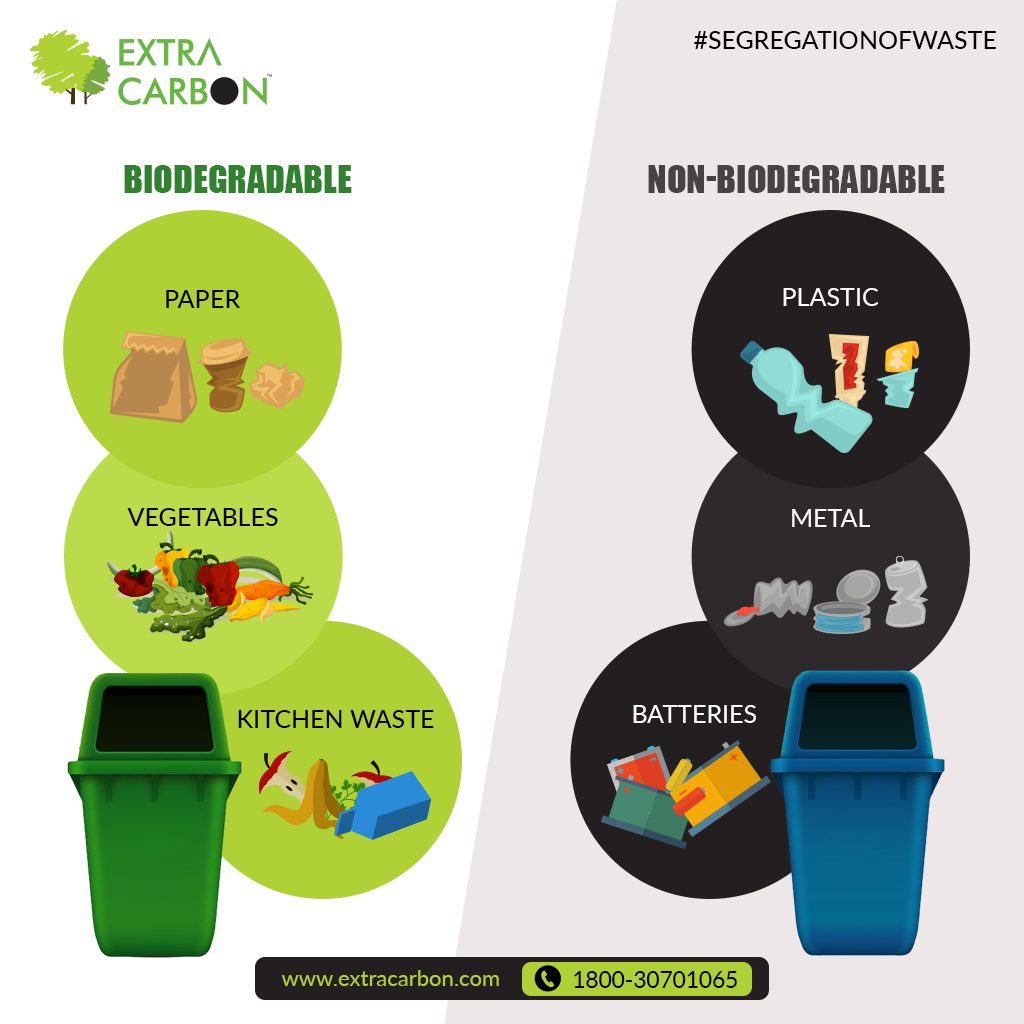
The Rise of Biodegradable Products: A Sustainable Solution for a Greener Future
In recent years, there has been a growing global concern about the environmental impact of non-biodegradable products. As a result, the demand for biodegradable alternatives has been on the rise, marking a significant shift towards sustainable living practices.
Biodegradable products are materials that can be broken down naturally by microorganisms into simpler substances like water, carbon dioxide, and biomass. Unlike traditional plastics and other non-biodegradable materials that can persist in the environment for hundreds of years, biodegradable products offer a more eco-friendly solution.
The Benefits of Biodegradable Products
One of the key advantages of biodegradable products is their reduced environmental impact. When disposed of properly, biodegradable items decompose relatively quickly, minimising waste accumulation in landfills and oceans. This helps to mitigate pollution and preserve natural ecosystems.
Furthermore, the production of biodegradable products often involves fewer harmful chemicals and fossil fuels compared to traditional manufacturing processes. This results in lower carbon emissions and contributes to overall efforts to combat climate change.
Applications of Biodegradable Products
Biodegradable materials are versatile and can be used in various industries. From packaging solutions and food containers to textiles and personal care products, the applications of biodegradable alternatives are vast. Companies across sectors are increasingly incorporating biodegradable options into their product lines to meet consumer demand for sustainability.
The Future of Sustainability
As awareness of environmental issues continues to grow, the adoption of biodegradable products is expected to increase further. Governments, businesses, and individuals are recognising the importance of transitioning towards sustainable practices to safeguard our planet for future generations.
By choosing biodegradable options over conventional products, we can all play a part in reducing our ecological footprint and promoting a greener future. Together, we can make a positive impact on the environment and work towards creating a more sustainable world for all.
Understanding Biodegradable: Answers to 7 Commonly Asked Questions
- Can biodegradable items go in the recycling bin?
- What are the 3 types of biodegradable?
- What does 100% biodegradable mean?
- What does the term biodegrade mean?
- What is an example of biodegradable?
- What is biodegradable and non-biodegradable?
- What does biodegradable mean?
Can biodegradable items go in the recycling bin?
When it comes to disposing of biodegradable items, it’s important to note that not all recycling facilities are equipped to handle them effectively. While biodegradable products are designed to break down naturally over time, they may not undergo the same recycling process as traditional recyclable materials. Therefore, it is advisable to check with your local waste management guidelines or facilities to determine the appropriate disposal method for biodegradable items. In some cases, composting or specific biodegradable waste collection services may be more suitable options for ensuring these items are disposed of in an environmentally friendly manner.
What are the 3 types of biodegradable?
There are three main types of biodegradable materials: bioplastics, bio-based materials, and traditional materials that are designed to break down naturally over time. Bioplastics are derived from renewable resources such as plants and can degrade into natural elements. Bio-based materials are made from organic matter like cornstarch or sugarcane and can be broken down by biological processes. Traditional materials, when treated with additives, can also biodegrade under the right conditions, offering a more sustainable alternative to non-biodegradable counterparts.
What does 100% biodegradable mean?
When a product is labelled as 100% biodegradable, it means that the item can naturally break down into simpler substances through the action of microorganisms in the environment. This process typically results in the conversion of the product into water, carbon dioxide, and biomass without leaving behind harmful residues. Products that are 100% biodegradable contribute to reducing waste accumulation and environmental pollution, offering a more sustainable alternative to non-biodegradable materials.
What does the term biodegrade mean?
The term “biodegrade” refers to the natural process in which organic materials are broken down by microorganisms into simpler substances, such as water, carbon dioxide, and biomass. When a material is biodegradable, it has the ability to decompose over time through biological processes, ultimately returning to the environment without leaving behind harmful residues. This environmentally friendly characteristic of biodegradability is crucial in reducing waste accumulation and promoting sustainability by minimising the impact on ecosystems and natural resources.
What is an example of biodegradable?
An example of a biodegradable product is compostable food packaging made from materials such as plant-based plastics or paper. These materials can be broken down by natural processes into organic matter, reducing waste and environmental impact. By using biodegradable food packaging, businesses and consumers can contribute to a more sustainable approach to packaging while minimising their carbon footprint.
What is biodegradable and non-biodegradable?
Biodegradable refers to materials that can naturally decompose and break down into simpler substances through the action of microorganisms, such as bacteria or fungi. These substances can return to the environment without leaving behind harmful residues. On the other hand, non-biodegradable materials are those that do not easily decompose in a reasonable amount of time, leading to long-lasting waste accumulation in landfills and natural habitats. The distinction between biodegradable and non-biodegradable products is crucial in understanding their environmental impact and promoting sustainable practices for a healthier planet.
What does biodegradable mean?
Biodegradable refers to the ability of a material to break down naturally through the action of microorganisms such as bacteria or fungi. When a product is biodegradable, it can decompose into simpler, non-toxic substances over time, returning to the environment without leaving behind harmful residues. This process helps reduce waste accumulation in landfills and minimises environmental pollution, making biodegradable products a more sustainable choice compared to non-biodegradable alternatives.
Related Post

The Essential Guide to Choosing the Perfect Pair of Shoes
The Importance of Choosing the Right Shoes Shoes are more than just a fashion statement; [...]