The Power of a Customer-Centric Approach: Putting Customers First for Success
The Importance of Being Customer-Centric
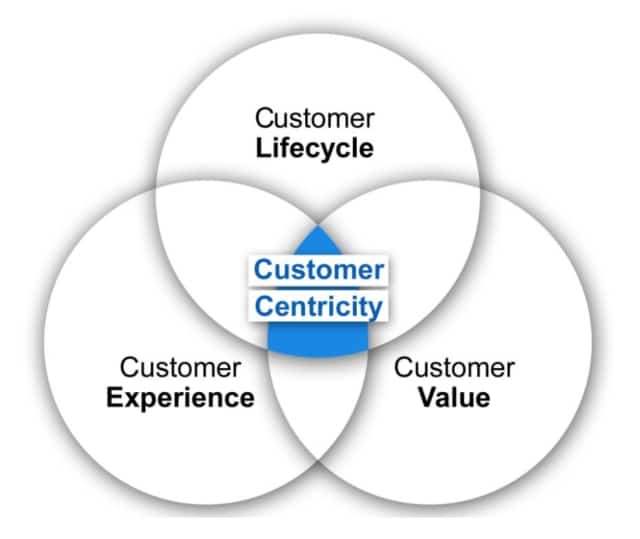
In today’s competitive business landscape, being customer-centric is no longer just a buzzword – it is a fundamental principle that can make or break a company’s success. But what does it mean to be truly customer-centric?
Understanding the Customer
At the core of being customer-centric is the ability to truly understand your customers. This goes beyond basic demographics and transaction history. It involves delving deep into their needs, preferences, and pain points. By gaining insights into what drives your customers, you can tailor your products and services to meet their specific requirements.
Building Relationships
A customer-centric approach is all about building strong relationships with your clientele. It means going the extra mile to ensure their satisfaction and loyalty. By listening to feedback, addressing concerns promptly, and personalising interactions, you can foster long-lasting relationships that translate into repeat business and positive word-of-mouth.
Anticipating Needs
Being truly customer-centric also involves anticipating your customers’ needs before they even realise them. By staying ahead of trends, offering innovative solutions, and proactively addressing pain points, you can demonstrate that you are invested in your customers’ success and well-being.
Delivering Value
Ultimately, being customer-centric boils down to delivering value at every touchpoint. Whether it’s through exceptional products, seamless service delivery, or personalised experiences, every interaction should leave the customer feeling valued and appreciated. By consistently exceeding expectations, you can differentiate yourself from competitors and build a loyal customer base.
The Bottom Line
Embracing a customer-centric mindset is not just good practice – it’s essential for long-term business growth and sustainability. By putting the customer at the centre of everything you do, you can create meaningful connections, drive loyalty, and ultimately drive success for your organisation.
Understanding Customer Centricity: Key Concepts and Strategies Explained
- What is an example of customer centric?
- What are the 4 C’s of customer centricity?
- How to demonstrate customer centric?
- What are the key 4 steps on customer centricity?
- What is customer centric and purpose?
- What does it mean to be customer-centric?
What is an example of customer centric?
An example of being customer-centric is when a company actively seeks feedback from its customers, listens to their suggestions and concerns, and uses this information to improve its products or services. By putting the customer’s needs and preferences at the forefront of decision-making processes, the company demonstrates a commitment to enhancing the overall customer experience. This customer-centric approach fosters trust, loyalty, and long-term relationships with customers, ultimately leading to business growth and success.
What are the 4 C’s of customer centricity?
The 4 C’s of customer centricity encapsulate key principles that businesses can adopt to truly put their customers at the heart of their operations. These include Customer Understanding, which involves gaining deep insights into customer needs and preferences; Customer Engagement, focusing on building strong relationships and fostering loyalty; Customer Empowerment, empowering customers with the tools and information they need to make informed decisions; and Customer Experience, ensuring that every interaction with the brand is seamless, personalised, and value-driven. By embracing these 4 C’s, businesses can cultivate a customer-centric culture that drives long-term success and sustainable growth.
How to demonstrate customer centric?
Demonstrating customer-centricity involves a holistic approach that permeates every aspect of a business. One key way to showcase customer-centric values is by actively listening to customers, understanding their needs, and incorporating their feedback into product development and service improvements. Personalising interactions, providing proactive support, and anticipating customer needs are also effective ways to demonstrate a commitment to putting the customer first. Ultimately, consistency in delivering exceptional value and prioritising customer satisfaction at every touchpoint are crucial in showcasing true customer-centricity.
What are the key 4 steps on customer centricity?
Customer centricity is a strategic approach that places the customer at the heart of business decisions and operations. The key four steps to achieving customer centricity involve understanding the customer deeply, building strong relationships based on trust and communication, anticipating and fulfilling their needs proactively, and consistently delivering exceptional value at every touchpoint. By following these steps, businesses can create a customer-centric culture that fosters loyalty, drives growth, and sets them apart in today’s competitive market.
What is customer centric and purpose?
Customer-centricity is a business approach that places the customer at the heart of all operations and decision-making processes. It involves understanding the needs and preferences of customers, anticipating their expectations, and delivering value through personalised experiences. The purpose of being customer-centric is to build strong relationships with customers based on trust, loyalty, and satisfaction. By prioritising the customer’s perspective and actively seeking to meet their needs, businesses can create long-term value, drive growth, and differentiate themselves in a competitive market landscape.
What does it mean to be customer-centric?
To be customer-centric means to prioritise the needs, preferences, and satisfaction of customers above all else. It involves understanding their unique requirements, anticipating their expectations, and delivering value at every touchpoint. A customer-centric approach goes beyond simply providing products or services – it is about building strong relationships, listening to feedback, and continuously striving to enhance the overall customer experience. By putting the customer at the heart of business decisions and operations, organisations can foster loyalty, drive growth, and differentiate themselves in a competitive market.
Related Post

Exploring the Versatility of Golf Buggies on the Course
The Convenience and Benefits of Golf Buggies Golf buggies, also known as golf carts, have [...]
Unleash Your Style: Embrace Funky Golf Trousers on the Fairways
The Trendy Appeal of Funky Golf Trousers When it comes to golf fashion, one item [...]