The Ultimate Guide to Choosing the Best Golf Balls for Your Game
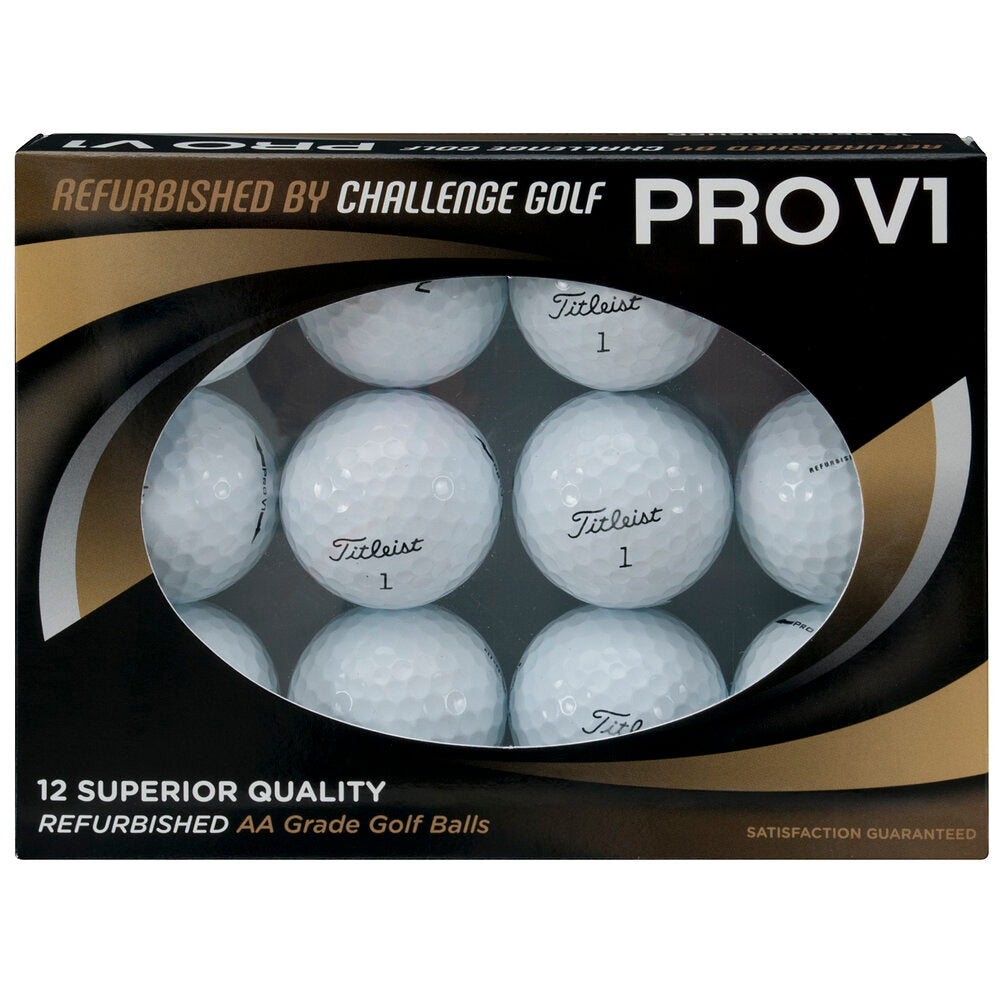
The Importance of Choosing the Right Golf Balls
Golf balls are a fundamental component of the game of golf, often overlooked by players but crucial for performance on the course. The type of golf ball you choose can significantly impact your game, affecting distance, spin, control, and overall feel.
Key Factors to Consider When Selecting Golf Balls:
- Compression: Golf balls come in varying levels of compression, which affects how the ball reacts upon impact. Higher compression balls are ideal for players with faster swing speeds, while lower compression balls are better suited for slower swing speeds.
- Dimples: The dimple pattern on a golf ball plays a crucial role in aerodynamics and lift. Different dimple designs can influence the ball’s flight trajectory and distance.
- Cover Material: Golf balls can have either a surlyn or urethane cover. Surlyn covers are more durable and provide distance, while urethane covers offer better spin control and feel around the greens.
- Ball Construction: Golf balls can be two-piece, three-piece, or multi-layered. Each construction type offers different benefits in terms of distance, control, and feel. Multi-layered balls are popular among advanced players seeking a balance of distance and spin.
Choosing the Right Golf Ball for Your Game:
When selecting golf balls, it is essential to consider your skill level, playing style, and preferences. Beginners may benefit from low-compression two-piece balls that provide maximum distance and forgiveness. Intermediate players looking for a balance between distance and control may opt for three-piece or multi-layered balls.
Advanced players who prioritise spin control and feel around the greens should consider urethane-covered golf balls with higher compression ratings. Testing different types of golf balls on the course or during practice sessions can help you determine which ones suit your game best.
In conclusion, choosing the right golf balls is a critical aspect of enhancing your performance on the course. Understanding the key factors that influence ball performance and selecting options that align with your playing style can lead to improved consistency and enjoyment during your rounds of golf.
Understanding Golf Balls: Compression, Dimple Patterns, Cover Materials, Construction for Beginners, and Choosing the Right Compression Rating
- What is the difference between high compression and low compression golf balls?
- How do dimple patterns on golf balls affect their performance?
- What are the advantages of using urethane-covered golf balls?
- Which type of golf ball construction is best for beginners?
- How can I determine the right compression rating for my swing speed?
What is the difference between high compression and low compression golf balls?
When considering the difference between high compression and low compression golf balls, it is essential to understand how each type affects your game. High compression golf balls are designed for players with faster swing speeds, offering more control and less deformation upon impact. On the other hand, low compression golf balls are suitable for players with slower swing speeds, providing more distance and a softer feel. The choice between high and low compression golf balls ultimately depends on your swing speed, playing style, and preferences on the course.
How do dimple patterns on golf balls affect their performance?
The dimple patterns on golf balls play a significant role in determining their performance on the course. These dimples are not just for aesthetics but are designed to enhance aerodynamics and lift. The number, size, depth, and arrangement of dimples influence the ball’s flight trajectory, distance, and spin control. Different dimple patterns create varying levels of drag and lift, affecting how the ball travels through the air. Golfers should consider the dimple design when selecting golf balls to ensure they align with their playing style and performance preferences for optimal results on the course.
What are the advantages of using urethane-covered golf balls?
Urethane-covered golf balls offer several advantages that cater to the needs of advanced players seeking enhanced performance on the course. One key advantage of urethane covers is their ability to provide excellent spin control, allowing players to shape shots and stop the ball quickly on the greens. Additionally, urethane-covered golf balls offer a soft feel upon impact, which can improve feedback and overall playability for those looking for precision in their short game. The durability of urethane covers ensures that these balls maintain their performance characteristics over multiple rounds, making them a popular choice among golfers who value consistency and control in their shots.
Which type of golf ball construction is best for beginners?
When it comes to selecting the best golf ball construction for beginners, two-piece golf balls are often recommended. These balls feature a simple design with a solid core and a cover, offering maximum distance and durability. The low spin generated by two-piece golf balls helps beginners achieve straighter shots and forgiveness on off-center hits. Additionally, the affordable price point of two-piece golf balls makes them an excellent choice for novice players looking to improve their game without breaking the bank.
How can I determine the right compression rating for my swing speed?
Determining the right compression rating for your swing speed is a common query among golfers looking to optimise their performance on the course. Understanding that higher compression balls are suited for faster swing speeds, while lower compression balls are ideal for slower swings, is essential. To find the right fit, it is recommended to consider your swing speed and match it with the corresponding compression rating indicated on golf ball packaging or manufacturer specifications. Experimenting with different compression levels during practice sessions can also help you identify the optimal ball that maximises distance and control based on your individual swing characteristics.
Related Post
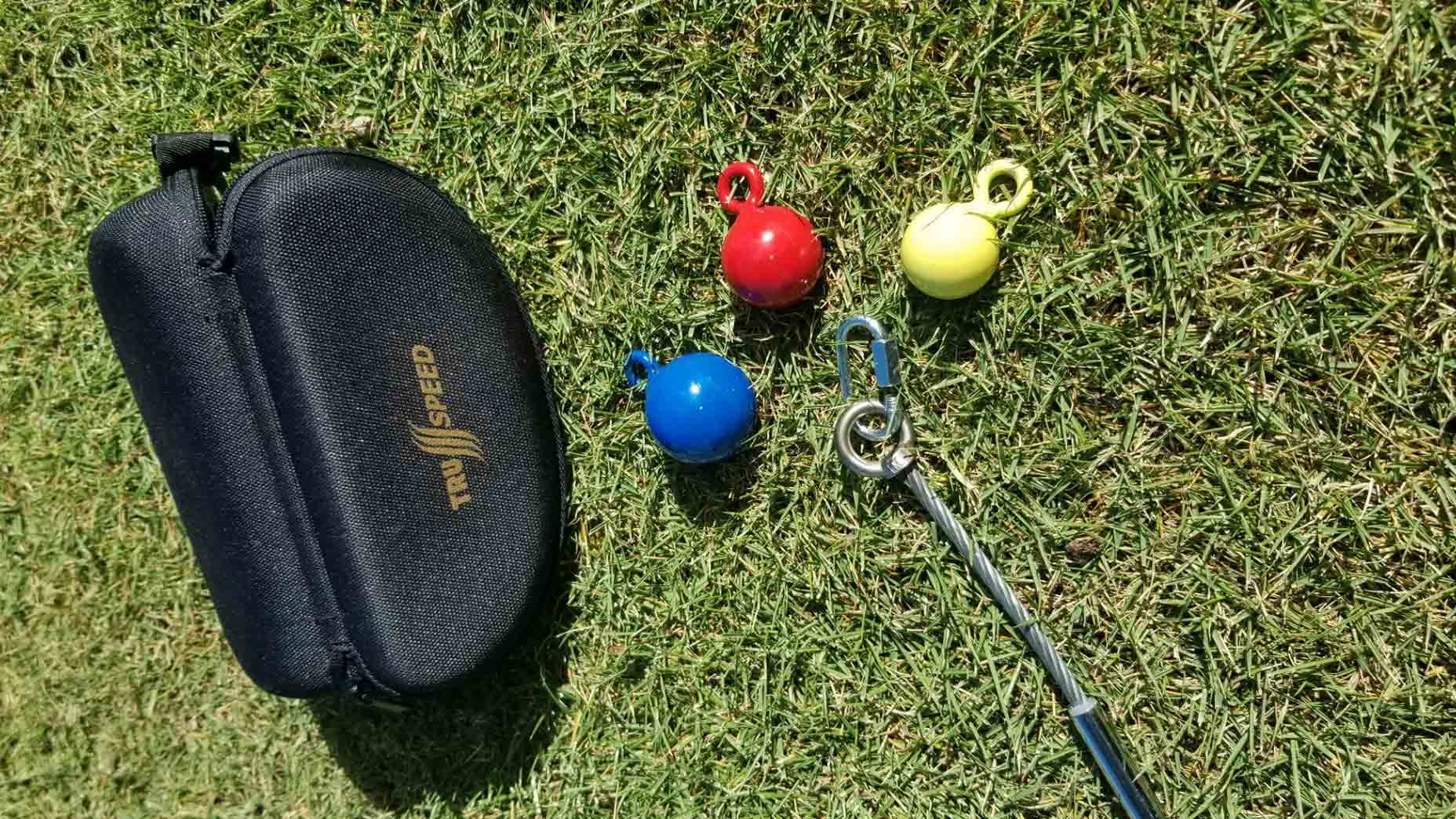
Master Your Swing with the Ultimate Swing Trainer Ball
The Benefits of Using a Swing Trainer Ball in Your Golf Practice Golf is a [...]